
Global AI Frenzy: As NVIDIA Eyes Historic $200B OpenAI Bet, Markets Plunge on Disruption Fears
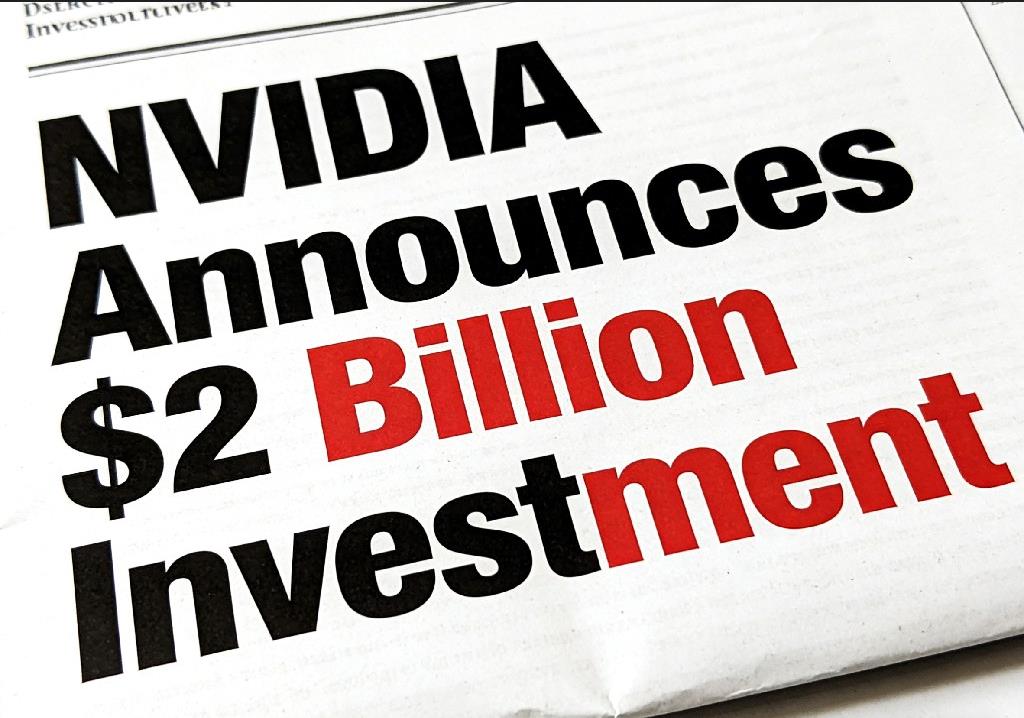
February 5, 2026 — The global artificial intelligence sector is experiencing a day of whiplash, caught between staggering financial ambition and sudden market panic. In a move that would rank among the largest technology investments in history, NVIDIA is reportedly close to investing $200 billion in OpenAI. This potential deal emerges alongside announcements of massive capital expenditure from tech giants, fueling what analysts are calling an unprecedented AI “arms race”. Simultaneously, global stock markets are reeling from a massive sell-off, as a sudden wave of investor anxiety over AI’s disruptive power has wiped out trillions in value from technology and software companies.
The Investment Surge: Betting Big on the AI Future
The rumored NVIDIA-OpenAI deal signifies the extreme scale of capital required to compete at the frontier of artificial intelligence. This potential $200 billion investment would dramatically deepen the partnership between the leading AI chipmaker and the creator of ChatGPT. Analysts view it as a strategic move to secure mutual advantage in a fiercely competitive landscape.
This trend of massive spending is not isolated. Alphabet (Google’s parent company) announced after its earnings report that it is considering a capital expenditure plan between $175 billion and $185 billion for 2026, a figure that could nearly double its previous spending. CEO Sundar Pichai stated the company is seeing its AI investments drive growth, with its Gemini AI tool now boasting 750 million monthly active users. This spending surge reflects a “deepening AI push” by Big Tech to build the data centers and infrastructure necessary to support next-generation models.
The Market Meltdown: Reality Check for AI Hype
Even as companies plan historic investments, financial markets are undergoing a severe correction based on fears that AI will render existing business models obsolete. The sell-off, triggered in part by AI startup Anthropic’s release of a new tool for legal work, reflects growing concern that AI innovation will displace a wide swath of established software and service companies.

Wall Street
The losses have been swift and broad. An exchange-traded fund tracking software stocks has shed nearly $1 trillion in value over the past week. The decline has spread globally, affecting firms from London to India, and has even hit Wall Street banks and private equity firms with exposure to tech.
Key Market Movements in the AI Sell-Off:
| Company/Index | Change | Primary Reason Cited |
|---|---|---|
| Software Stocks (iShares ETF) | Lost ~$1 Trillion (1 week) | Fears of AI disruption to business models |
| Advanced Micro Devices (AMD) | Fell ~17% | Revenue forecast disappointed; seen lagging in AI race |
| South Korea’s KOSPI Index | Down 3.86% | Tracked U.S. tech slump; AI bubble concerns |
| Samsung Electronics (Seoul) | Down 5.8% | Global semiconductor sell-off on AI valuation fears |
Chipmakers have not been spared. AMD shares fell approximately 17% after a quarterly forecast failed to impress investors concerned about its ability to compete with NVIDIA in AI. The sell-off rippled across Asia, with South Korea’s benchmark KOSPI index dropping nearly 4% and semiconductor giants Samsung Electronics and SK Hynix falling sharply.
“The market is suddenly skeptical and concerned about it,” said Jed Ellerbroek, a portfolio manager at Argent Capital. “The size of the infrastructure buildout is unprecedented… The stock market is having a really hard time knowing where to price the stocks and what the future looks like”.
A Global Perspective: Governance and the Human Factor
Amid the financial turbulence, global leaders are emphasizing the need for responsible development. At the World Top Scientists Summit in Dubai, experts agreed that AI’s role is to “assist and enhance human ability, not replace humans,” stressing the need for safety and ethical governance rules.
Concurrently, United Nations Secretary-General Antonio Guterres praised India’s leadership in convening global AI discussions, highlighting the India AI Impact Summit 2026 as a crucial forum for international cooperation. The UN is also establishing an Independent International Scientific Panel on AI to provide authoritative analysis and help “separate fact from fakes”.
Analysis: A Sector Hitting Hyperdrive
Today’s contrasting headlines reveal an AI industry at a critical inflection point. The colossal sums pledged by NVIDIA and Alphabet represent a vote of confidence in AI’s transformative potential, betting that massive upfront investment is the only path to leadership.
However, the parallel market crash serves as a stark reminder that the road to this future will be volatile. Investors are moving past generic hype and are now coldly assessing which specific companies and sectors will be winners or losers in an AI-dominated landscape. As the technology moves from promise to practice, the industry is grappling with its immense cost, its disruptive power, and the urgent need for a framework that ensures its benefits are broadly shared.
© Copyright notes
The copyright of the article belongs to the author, please do not reprint without permission.
Related posts



No comments...