
Qwen (通义千问)
Qwen is a family of large language models developed by Alibaba Cloud. Many Qwen variants are distributed as open‑weight models under the Apache‑2.0 license, while others are served through Alibaba Cloud.
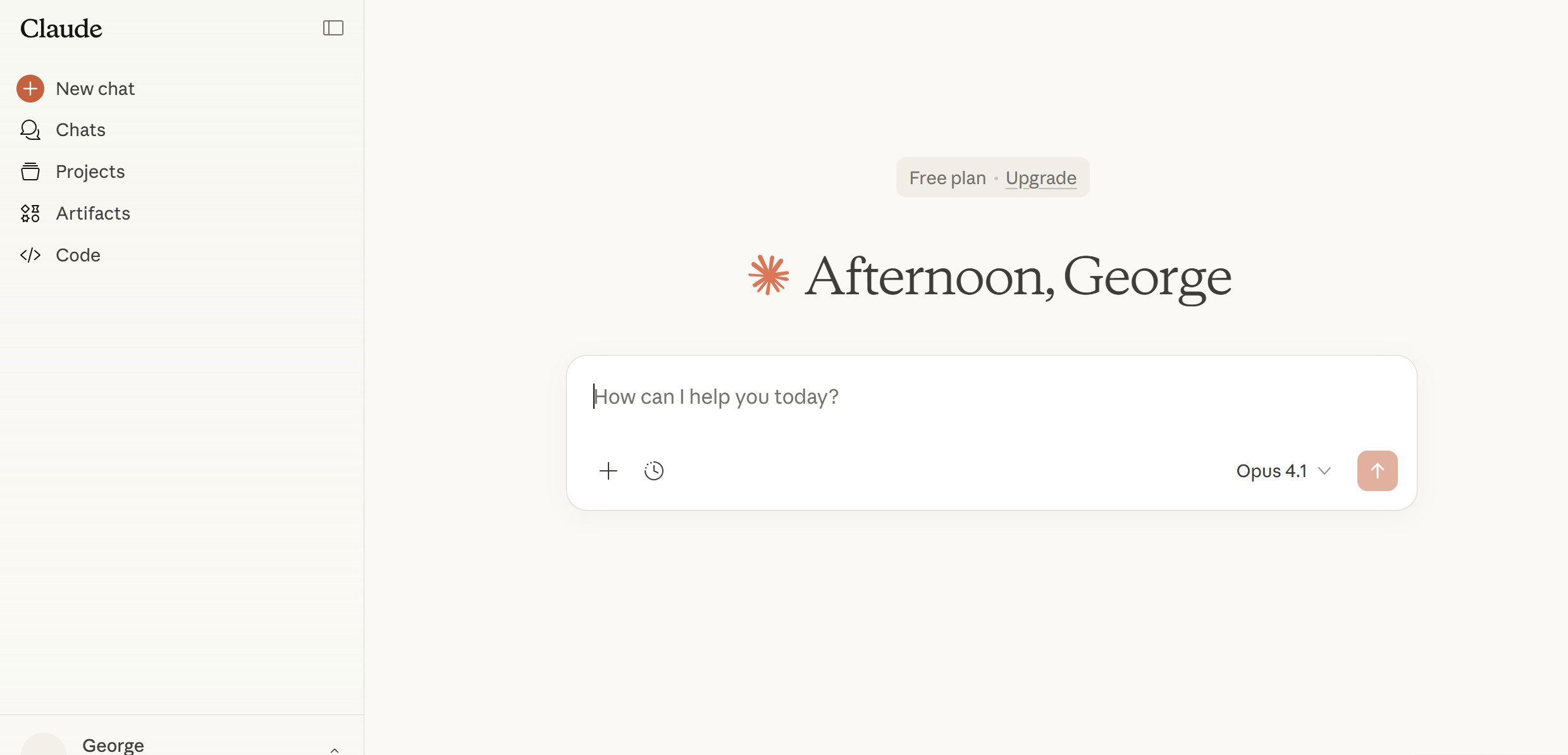
Claude is a series of large language models developed by Anthropic. The first generation, Claude 1, was released in March 2023, and the latest, Claude Opus 4.5, in Novemb...
 Claude
Claude is a family of advanced AI assistants developed by the American AI research and safety company, Anthropic. It was founded in 2021 by former OpenAI researchers Dario Amodei and Daniela Amodei, who wanted to prioritize the development of safe and controllable AI.
The table below summarizes its key information:
| Aspect | Details |
|---|---|
| Developer | Anthropic PBC (USA), founded by former OpenAI researchers. |
| Core Philosophy | Constitutional AI: Trained to follow ethical principles, aiming to be helpful, harmless, and honest. |
| Key Capabilities | Strong in complex reasoning, long-context analysis (handles lengthy documents), coding/software engineering, and data analysis. |
| Latest Models (as of late 2025) | Claude Opus: Most powerful for complex tasks. Claude Sonnet: Balanced performance and speed. |
| Access & Cost | Free tier with usage limits; paid Claude Pro subscription (starting at ~$25/month) offers higher usage limits and access to latest models. |
| Primary Access Points | Official website (claude.ai), mobile app (iOS), and API for developers. |
Enterprise-Focused Reliability: Claude is particularly popular with businesses and developers. Its Opus 4 model is noted for being able to independently work on complex tasks for long periods, like coding for up to 7 hours without significant performance drop.
Safety as a Core Feature: Unlike many other models, safety isn’t an add-on for Claude. Its “Constitutional AI” training framework is designed from the ground up to minimize harmful, biased, or untruthful outputs.
Visual and File Analysis: You can upload images, PDFs, Word documents, and spreadsheets. Claude can read and analyze the text and data within these files.
Since you asked about other models, here’s how Claude compares in some key areas:
| Feature | Claude (Anthropic) | ChatGPT (OpenAI) | DeepSeek (深度求索) |
|---|---|---|---|
| Primary Strength | Safety, long-context reasoning, enterprise coding. | Versatility, creativity, multimodal features (voice, image generation). | Strong reasoning & coding, cost-effective, fully open-source. |
| Business Model | Freemium (Free + Pro subscriptions). | Freemium (Free + Plus/Team/Enterprise). | Completely free for public use. |
| Distinctive Trait | “Constitutional AI” for safety and ethics. | Largest user base, vast ecosystem of plugins and integrations. | Strong performance and inference at a very low computational cost. |
Limited Availability: Claude’s services are officially unavailable in some regions, including mainland China.
Pure Text Focus: While it can analyze images and files, it can only read the text in them. Unlike ChatGPT, Claude cannot generate new images, audio, or video.
In summary, Claude is a top-tier AI assistant that stands out for its focus on safety, reliability, and powerful performance in professional contexts like coding, data analysis, and processing long documents. It’s an excellent choice for users who prioritize these aspects over image generation or widespread free access.